
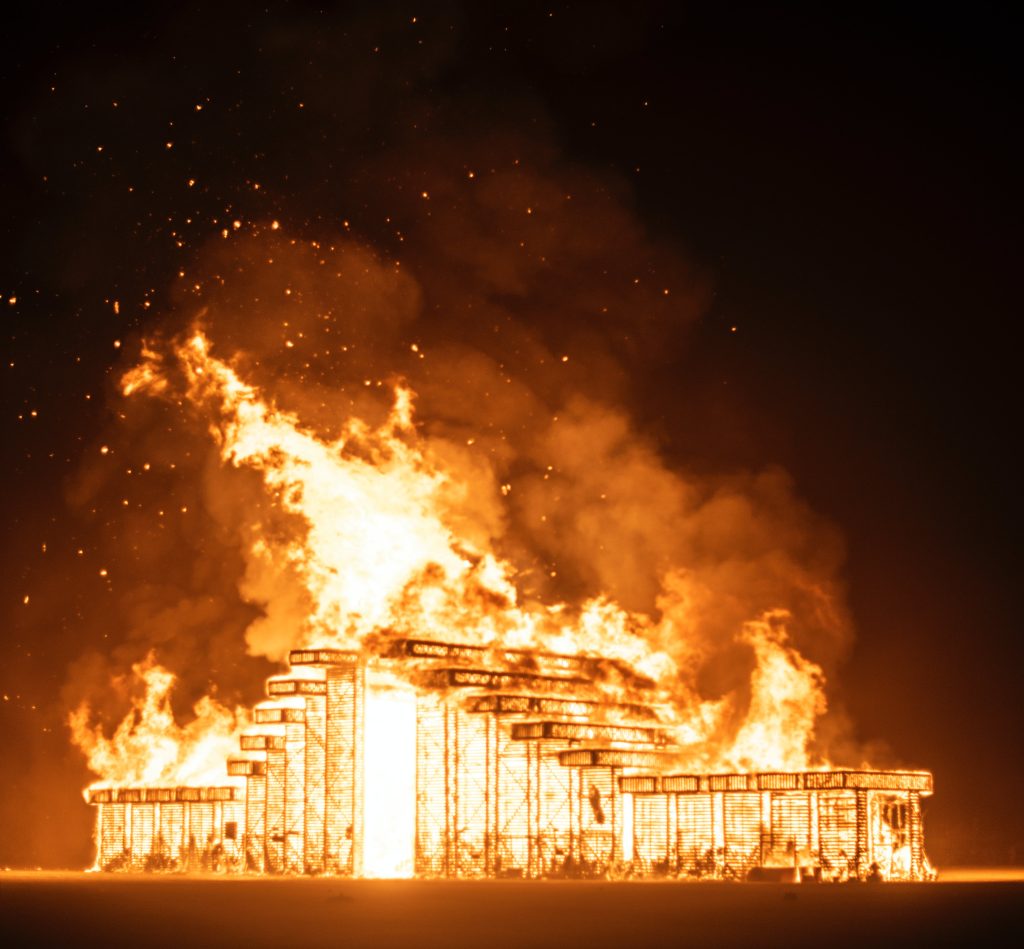
Experiencing a fire is a traumatic event that leaves a trail of destruction in its wake. Once the flames are extinguished, the process of recovery and restoration begins. Fire damage restoration is a comprehensive and meticulous endeavor that requires a strategic approach to return a property to its pre-fire condition. In this blog post, we’ll outline the crucial steps involved in the journey from devastation to recovery, offering insights into the intricate process of restoring a space affected by fire.
- Safety First: Assessing Structural Integrity and Hazards:
Before any restoration efforts commence, ensuring safety is paramount. The first step involves assessing the structural integrity of the property to identify potential hazards. Structural engineers and restoration professionals collaborate to determine the extent of damage and whether it is safe to enter the premises. This initial evaluation sets the foundation for the entire restoration process, establishing a secure environment for subsequent steps.
- Securing the Property: Mitigating Further Damage:
After safety is confirmed, the focus shifts to mitigating further damage. This involves boarding up windows, covering damaged roofs, and securing openings to prevent unauthorized access. Securing the property promptly is crucial in safeguarding against external elements and potential intruders, minimizing the risk of additional complications during the restoration process.
- Water Removal and Drying: Addressing Secondary Damage:
Water damage is a common aftermath of firefighting efforts. The next step in fire damage restoration is the removal of water and thorough drying of the affected areas. This prevents mold growth, which can compound the challenges of recovery. Industrial-grade dehumidifiers and specialized equipment are employed to extract excess water and moisture, ensuring a dry and stable environment for the restoration process.
- Smoke and Soot Removal: Cleaning and Deodorizing:
Smoke and soot residues permeate every surface after a fire. Professional restoration teams employ specialized techniques and equipment to remove these residues effectively. From cleaning walls and surfaces to using air purifiers and deodorizing agents, the goal is to eliminate the lingering odors and potential health hazards associated with smoke and soot, providing a clean slate for the restoration process.
- Structural Assessment and Reconstruction: Rebuilding the Framework:
With the property now stabilized and cleaned, a detailed structural assessment is conducted. This evaluation identifies areas requiring reconstruction and repairs. From rebuilding damaged walls to replacing compromised structural elements, this step is fundamental to restoring the property to its pre-fire condition. Collaborating with contractors and construction professionals, the restoration team ensures a seamless reconstruction process.
- Content Restoration: Salvaging Belongings:
Fire damage extends beyond structural issues to personal belongings. Restoration professionals carefully assess and salvage items that can be restored. From textiles and furniture to sentimental items, specialized cleaning and restoration techniques are employed to return these possessions to their pre-fire state whenever possible.
- Final Inspections and Quality Assurance: Ensuring Complete Restoration:
Before considering the restoration process complete, thorough inspections are conducted. These inspections cover every aspect of the restoration work, ensuring that no detail is overlooked. The goal is to deliver a fully restored property that meets or exceeds pre-fire conditions. This step involves quality assurance measures and may include third-party inspections to provide an unbiased assessment of the restoration’s success.
Conclusion:
Fire damage restoration is a complex and multifaceted process that demands expertise, precision, and dedication. From the initial assessment of safety to the final quality assurance checks, each step plays a crucial role in the journey from devastation to recovery. By following these essential steps, restoration professionals strive to bring comfort and normalcy back to those affected by the ravages of fire, rebuilding not just structures but the lives intertwined with them.
