
Introduction
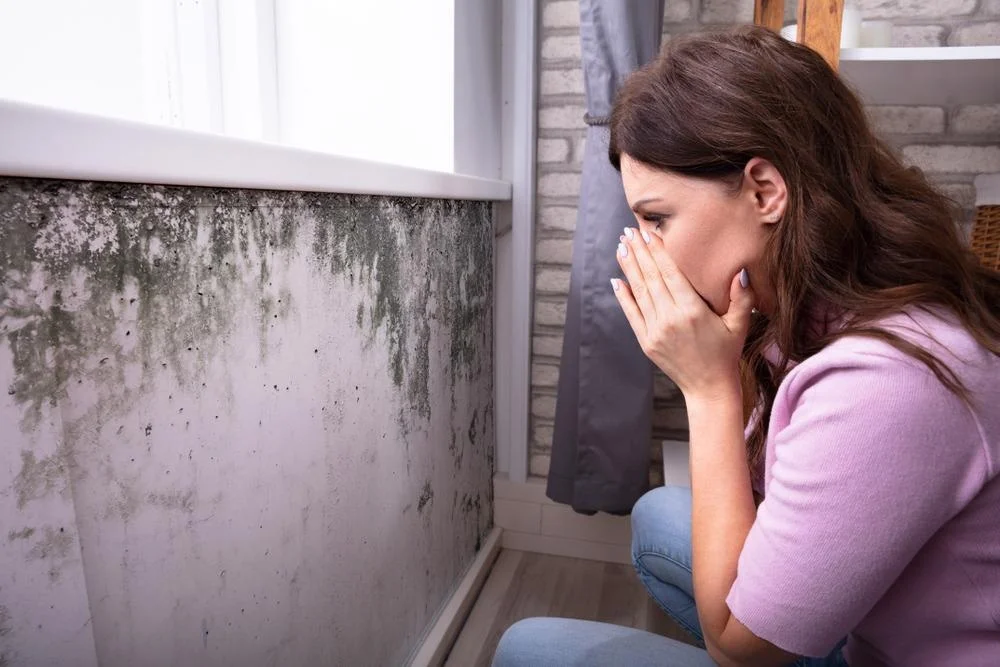
Discovering mold in your home can be unsettling. Beyond the unsightly spots and unpleasant odor, mold poses significant health risks and can be a nightmare to remove. Mold spores are a common part of household and workplace dust; however, when mold spores are present in large quantities, they can present a health hazard to humans, potentially causing allergic reactions and respiratory problems. This comprehensive guide, presented by NNERS (National Network Emergency Restoration Services), explores the health risks associated with mold in the home and outlines effective strategies for its removal and prevention.
Understanding Mold and Its Health Risks
Mold thrives in damp and humid environments, often found in basements, bathrooms, and kitchens. It reproduces through tiny spores that can be harmful when inhaled or come into contact with the skin. Health risks associated with mold exposure include:
- Allergic Reactions: Sneezing, runny nose, red eyes, and skin rash are common allergic reactions to mold.
- Asthma Attacks: For people with asthma, mold can trigger attacks.
- Irritant Effects: Mold can cause irritation to the eyes, skin, nose, throat, and lungs of both mold-allergic and non-allergic people.
- Serious Health Issues: Prolonged exposure can lead to more serious health issues, such as respiratory infections or complications.
Immediate Steps to Take When You Discover Mold
- Identify the Source: Look for any signs of moisture issues or water damage. Mold growth can often be traced back to a moisture problem.
- Isolate the Area: To prevent mold spores from spreading, close doors and cover vents or ducts in the affected area.
- Wear Protective Gear: If you must be in close proximity to mold, wear protective gear including gloves, masks, and goggles.
Professional Mold Removal with NNERS
For significant mold issues, professional removal is the safest and most effective strategy. NNERS offers comprehensive mold removal services, including:
- Assessment and Inspection: Identifying the mold type and the extent of the contamination.
- Containment: Preventing the spread of mold by isolating the affected area.
- Filtration: Using HEPA filters to clean the air of mold spores.
- Removal and Cleanup: Employing antifungal and antimicrobial treatments to eliminate mold colonies and prevent new colonies from forming.
- Drying: Ensuring the area is thoroughly dried to prevent future mold growth.
- Repair and Restoration: Replacing or repairing any materials that were removed or damaged during the cleanup process.
Preventing Mold in Your Home
Prevention is key to keeping your home mold-free. Strategies include:
- Control Humidity Levels: Use dehumidifiers and air conditioners to keep humidity levels between 30-50%.
- Ventilate: Ensure bathrooms, kitchens, and laundry rooms are well-ventilated.
- Fix Leaks Promptly: Repair any plumbing leaks or water damage quickly to prevent mold growth.
- Clean and Dry After Flooding: Thoroughly clean and dry any areas of your home that have been flooded within 24-48 hours to prevent mold growth.
Conclusion
Mold in your home should not be taken lightly due to its potential health risks and the challenge it presents for removal. While small areas of mold can often be handled with DIY methods, significant mold infestations require professional attention. NNERS specializes in mold removal and remediation, ensuring that your home is safe, healthy, and mold-free.
For expert mold removal services or more advice on preventing mold in your home, contact NNERS at (314) 325-6654 or via email at nnerservices@gmail.com. Trust us to restore your home to a healthy environment for you and your family.
