
Preventing Fire Damage: Essential Tips for Every Household
Fire in the home is a devastating event that can happen unexpectedly, causing not just loss of property but also irreplaceable personal belongings and, most tragically, lives. However, many of these fires are preventable with the right knowledge and practices. At NNERS (National Network Emergency Restoration Services), we not only restore homes from fire damage but also believe in empowering homeowners with the knowledge to prevent these disasters. Below are essential tips every household should follow to minimize the risk of fire.
Understand the Common Causes of Home Fires
The first step in prevention is understanding what commonly causes home fires. Cooking equipment, heating appliances, electrical systems, smoking, and candles are among the top culprits. Awareness of these risks allows you to be more vigilant and take specific actions to mitigate them.
Regularly Inspect and Maintain Electrical Systems
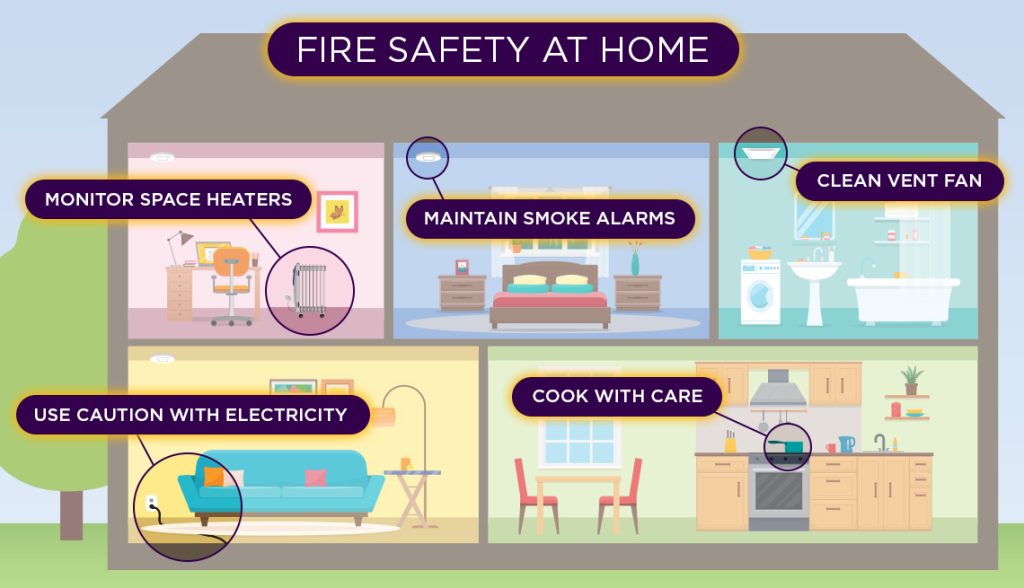
Faulty electrical systems are a leading cause of home fires. It’s crucial to have your home’s electrical system regularly inspected by a professional. Additionally, be on the lookout for warning signs such as flickering lights, frequent circuit breaker trips, and unusual smells from outlets or switches.
- Image Placeholder: Picture of a professional electrician inspecting a home’s wiring.
Keep Your Cooking Area Clean and Uncluttered
The kitchen is the heart of the home but also a major fire hazard area. Never leave cooking unattended, keep flammable materials (like oven mitts and paper towels) away from the stove, and regularly clean cooking appliances to prevent grease buildup.
- Image Placeholder: A tidy, well-organized kitchen with a clear cooking area.
Practice Safe Heating Habits
Heating equipment, especially portable heaters, requires careful handling. Always keep heaters at least three feet away from anything that can burn, and never leave them on when you’re asleep or not at home. Ensure your fireplace has a sturdy screen to stop sparks from flying into the room.
- Image Placeholder: A portable heater placed safely away from flammable materials.
Smoke Alarms Save Lives
Install smoke alarms on every level of your home, inside bedrooms, and outside sleeping areas. Test them monthly, replace batteries at least once a year, and the unit itself every ten years. Consider interconnected smoke alarms, so when one sounds, they all do.
- Image Placeholder: A hand pressing the test button on a smoke alarm.
Plan and Practice a Home Escape Plan
In the event of a fire, a quick and planned escape can save lives. Develop an escape plan that includes two exits from every room and a family meeting spot outside. Practice this escape plan with all members of your household at least twice a year.
- Image Placeholder: A family conducting a fire drill at home.
Be Smart About Smoking
If smoking cannot be avoided indoors, ensure that it’s done with caution. Use deep, sturdy ashtrays placed away from anything that can burn. Check under furniture cushions and in other places for cigarette butts that may have fallen out of sight.
Store Flammable Liquids Properly
Common household items like cleaning agents, oils, and other chemicals can be highly flammable. Store these substances in a cool, ventilated area, away from heat sources. Always keep them in their original containers or label them clearly if transferred.
- Image Placeholder: Proper storage solutions for flammable liquids in a home.
Educate Everyone in the Household
Fire safety is everyone’s responsibility. Make sure all members of your household, including children, understand basic fire prevention and safety tips. Educate them about the dangers of playing with matches, lighters, and other fire sources.
Immediate Assistance When You Need It
Despite all precautions, fires can still occur. That’s where NNERS comes in. If you experience fire damage, NNERS is here to help restore your home and belongings. Our experienced team is available 24/7 at (314) 325-6654 or nnerservices@gmail.com to provide the support and services you need to recover.
Fire prevention is about being proactive, aware, and prepared. By implementing these tips, you can significantly reduce the risk of fire in your home and ensure the safety of your loved ones and possessions. Remember, in case of fire damage, NNERS (National Network Emergency Restoration Services) is your partner in restoration and recovery, helping you get back to normal as quickly and smoothly as possible.
