
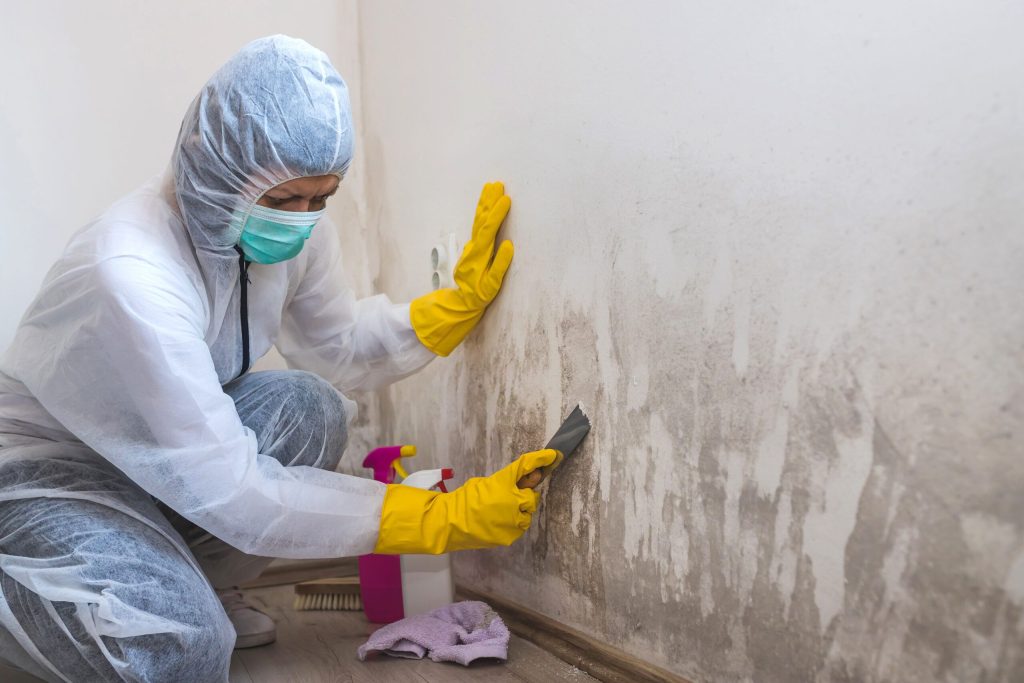
Discovering mold in your home can be unsettling and worrying. Mold not only poses health risks but can also cause significant damage to your property if left unaddressed. At NNERS (National Network of Emergency Restoration Services), we understand the urgency and concern that comes with mold discovery. This guide is designed to walk you through the essentials of mold remediation, ensuring you’re equipped with the knowledge to tackle this issue head-on. Let’s dive into what every homeowner should know about mold remediation.
Understanding Mold
Mold is a type of fungus that can grow both indoors and outdoors, thriving in damp, warm, and humid environments. It reproduces through tiny spores that travel through the air, which can start to grow on surfaces within 24 to 48 hours under the right conditions.
Health Risks of Mold: Exposure to mold can lead to various health issues, including allergic reactions, asthma attacks, and other respiratory problems. The importance of addressing mold growth promptly cannot be overstated.
Identifying Mold in Your Home
Mold is not always visible and can hide in walls, under carpets, or in other less-visible areas. A musty odor is often the first sign of hidden mold. Other indicators include visible growth on walls or ceilings, which can appear as spots of various colors, or water damage marks that may accompany mold growth.
The Process of Mold Remediation
Mold remediation involves more than just cleaning up existing mold. It’s about identifying the source of moisture, repairing it, and taking steps to prevent mold from returning.
- Inspection and Assessment: The first step is to identify the extent of the mold growth and the moisture source. This may involve using moisture meters and thermal imaging to detect hidden damp areas.
- Containment: To prevent the spread of mold spores during cleanup, the affected area is sealed off using plastic sheeting and tape.
- Air Filtration: High-efficiency particulate air (HEPA) filters are used to clean the air of mold spores and other particulates.
- Removing Mold-Infested Materials: Porous materials like drywall and insulation that have mold growth need to be removed and disposed of safely.
- Cleaning and Disinfecting: Non-porous surfaces can be cleaned with antimicrobial agents to kill remaining mold.
- Drying Out the Area: It’s crucial to thoroughly dry the area to prevent mold from returning. Dehumidifiers and fans are often used.
- Restoration: This final step may involve minor repairs, such as painting and replacing drywall, or it could require major renovations, depending on the damage extent.
DIY vs. Professional Mold Remediation
While small mold outbreaks can sometimes be managed by homeowners, professional remediation is recommended for larger infestations or when mold is in hard-to-reach places. Professionals, like those at NNERS, have the necessary equipment, expertise, and protective gear to safely and effectively tackle mold issues.
Preventing Mold Growth
Prevention is key to avoiding mold problems in the future. Here are some tips to keep your home mold-free:
- Control Humidity Levels: Use dehumidifiers and air conditioners to keep indoor humidity levels between 30-50%.
- Ventilate: Ensure your home is well-ventilated, especially areas like the kitchen, bathroom, and laundry room.
- Fix Leaks: Repair leaks in the roof, walls, or plumbing quickly to prevent moisture accumulation.
- Dry Wet Areas: Any wet areas or materials should be dried within 24-48 hours to prevent mold growth.
Conclusion
Mold remediation is a critical process for maintaining the health and safety of your home environment. By understanding the causes of mold, recognizing its presence, and taking prompt action to address it, you can protect your property and your health. If you’re facing a mold issue, NNERS (National Network of Emergency Restoration Services) is here to help. Our experts are equipped to handle all aspects of mold remediation, ensuring a swift and effective resolution. Contact us 24/7 at (314) 325-6654 or nnerservices@gmail.com for professional assistance.
For imagery, consider adding before-and-after photos of mold remediation projects, close-ups of mold growth to help homeowners identify mold, and images of professionals at work using safety gear and equipment. These visuals will enhance the understanding and engagement of your readers, providing them with a clearer view of the mold remediation process.
